
Shoulder Pain
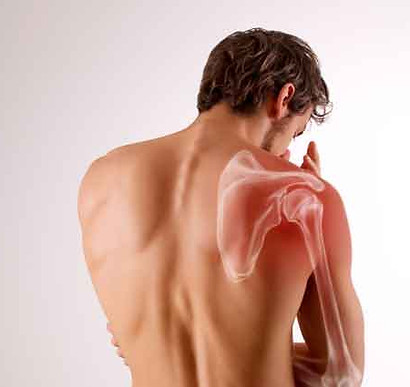
Shoulder pain may originate from the shoulder joint itself or from the surrounding tendons, muscles, and soft tissues. However, not all pain felt in the shoulder region should be classified as shoulder pain. Sometimes, pain that appears to be located in the shoulder may actually originate from the neck, internal organs, or, rarely, heart problems. Such pain is referred to as "referred pain," and its treatment focuses on resolving the underlying problem in the originating area. In most cases, a clinical examination can distinguish between true shoulder pain and referred pain. It is important to remember that shoulder pain is a symptom, not a disease, and that there are many possible causes with different courses and treatments. Shoulder pain is a very common issue affecting people of all ages. In younger individuals, it is usually related to injuries and sports trauma, while in older individuals it is often caused by wear-and-tear conditions affecting the joint structures.
How is shoulder pain diagnosed?With a thorough medical history (anamnesis) and clinical examination, many causes of shoulder pain can be diagnosed. Your doctor will ask questions regarding the onset, progression, triggers, and accompanying health conditions. Following this, specific anatomical regions will be examined and clinical tests relevant to suspected conditions will be performed. Imaging methods such as X-ray, MRI (magnetic resonance imaging), blood tests, and occasionally CT (computed tomography) may be required to both make a diagnosis and rule out other potential causes of shoulder pain. Based on the information obtained from history, physical examination, and diagnostic tests, the cause of the shoulder pain is identified.
The shoulder joint is actually composed of two distinct joints.
The first is the glenohumeral joint, formed by the rounded head of the upper arm bone (humerus) and the socket-like extension of the scapula. The second is the acromioclavicular joint, where the collarbone (clavicle) meets the front, hook-like extension of the scapula called the coracoid process. Shoulder pain can originate from either of these joints or the surrounding tissues. Below is an overview of the shoulder anatomy.
Common Causes of Shoulder Pain
Tendinitis: Tendons are the structures that attach muscles to bones. The rotator cuff tendons are especially important in stabilizing the shoulder joint and enabling a wide range of movements. In addition to rotator cuff tendons, inflammation (swelling) may occur in the biceps tendon that extends into the shoulder from the upper arm. Wear and inflammation of the tendons is called tendinitis. Rotator cuff tendinitis and biceps tendinitis are among the most common causes of shoulder pain.
Bursitis: Bursae are fluid-filled sacs that help reduce friction between tendons and bones. Bursitis refers to inflammation of these sacs, which causes pain and impaired function. Bursitis can occur on its own or frequently accompany rotator cuff tears in the shoulder.
Shoulder Impingement Syndrome: This occurs when tendons, muscles, or bursae get pinched under the bony extensions of the scapula—usually the acromion and less commonly the coracoid—during shoulder movement. Typically, pain is not present at rest but is triggered by certain movements, which is an important diagnostic clue.
Rotator Cuff Tears: The rotator cuff is a group of four muscles that surround the shoulder joint, helping to stabilize the head of the humerus within the shallow socket of the scapula and allowing major arm movements. Tears in these muscles result in limited active motion due to pain and are especially painful when lying on the affected side at night.
Calcific Tendinitis
Frozen Shoulder (Adhesive Capsulitis): This is characterized by adhesions in the shoulder joint leading to restricted passive motion (limited even with assistance during exam) and pain. It can be associated with chronic conditions such as diabetes and hypothyroidism, trauma, rotator cuff tears, and biceps tendon disorders. Limitation in external rotation of the arm is particularly important for diagnosis.
Shoulder Osteoarthritis (Arthrosis): This degenerative condition primarily affects the cartilage-covered surfaces of the shoulder joint but may also involve other joint structures. Osteoarthritis can affect both the glenohumeral and the acromioclavicular joints.
Shoulder Dislocation: The rounded head of the humerus articulates with the flat, shallow socket of the scapula. Due to trauma or naturally lax ligaments, the humeral head may become dislocated. Sometimes, dislocations are not complete and are felt as slipping or instability. During such events, the capsule and labrum (structures that stabilize the joint) may tear, leading to pain during overhead or outward shoulder movements.
Shoulder Fractures: Fractures of the humeral head, glenoid, scapular body, or clavicle may cause shoulder pain. These are often accompanied by swelling, bruising, limited mobility, and sometimes deformity.
Acromioclavicular Joint Injury: The acromioclavicular (AC) joint is formed between the acromion (part of the scapula) and the clavicle (collarbone). It is stabilized by the acromioclavicular and coracoclavicular ligaments. Trauma to this joint can disrupt ligament integrity and lead to pain in the AC joint.
Fibromyalgia: Often associated with psychosomatic stress and may radiate to the back.